Academic Development
Within holistic education, the academic dimension emphasizes intellectual growth through the acquisition of knowledge, the cultivation of analytical and critical thinking skills, and the development of intellectual curiosity. In some places, memorisation is ridiculed, and on its own it creates a very monotonous environment.

Physical Development
The physical component of holistic education recognizes the inseparable relationship between bodily health and overall human flourishing.


Social Development
Social growth within holistic education is concerned with the formation of interpersonal competencies, ethical awareness, and civic responsibility. The numerous cultural clubs at AIU provide leadership opportunities, in addition to the collaborative learning, community engagement, and exposure to diverse perspectives.
Our students develop empathy, cultural sensitivity, and effective communication skills. This social development also encompasses the ability to navigate conflict constructively and to exercise leadership grounded in integrity. By fostering these capacities, AIU prepares individuals to contribute positively and responsibly to an increasingly interconnected world.

Spiritual Development
Spiritual development, within a holistic approach to education, relates to the cultivation of moral discernment, and a sense of meaning or purpose. AIU is a member institution of the global Seventh day Adventist education system.


Origins of the four elements of our holistic philosophy
Almost 2000 years ago a doctor wrote one of the first definitions of holistic education when he described a young Jesus growing up in Nazareth. Reference was made to growing in wisdom, stature, and with people and God. It was during these early years that Jesus was training to be a carpenter, and at the same time he learnt, at Mary’s knee, a great deal of academic knowledge.
Here at Asia-Pacific International University’s Faculty of Education we teach from an understanding that education is not simply knowledge, and that education should be holistic in nature.
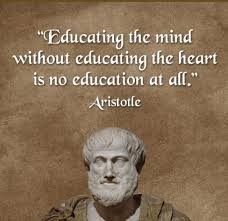
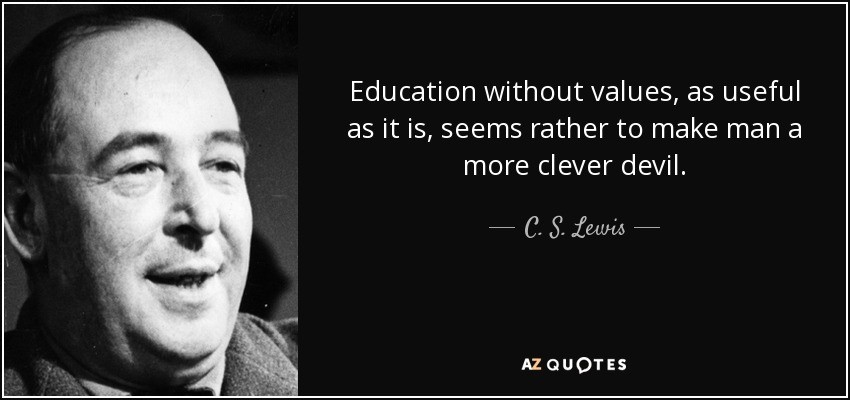
This Faculty’s philosophy is also based on the writings of the world’s most translated author, Ellen White – a woman born in the 19th century who wrote extensively on education and whose ideas were clearly ahead of her time. “True education does not ignore the value of scientific
knowledge or literary acquirements; but above information it values power; above power, goodness; above intellectual acquirements, character.
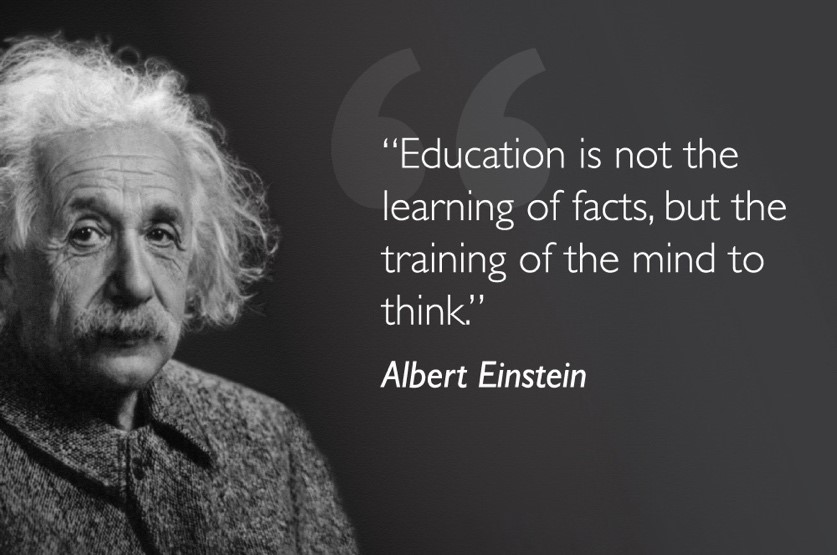
Faculty of Education Department’s Knowledge Management Committee Chair
REFERENCES:
Lewis, C. S. (1942). The screwtape letters: Geoffrey Bles.
White, E. G. (1903). Education: Pacific Press Publishing Association